
By Dale Chu
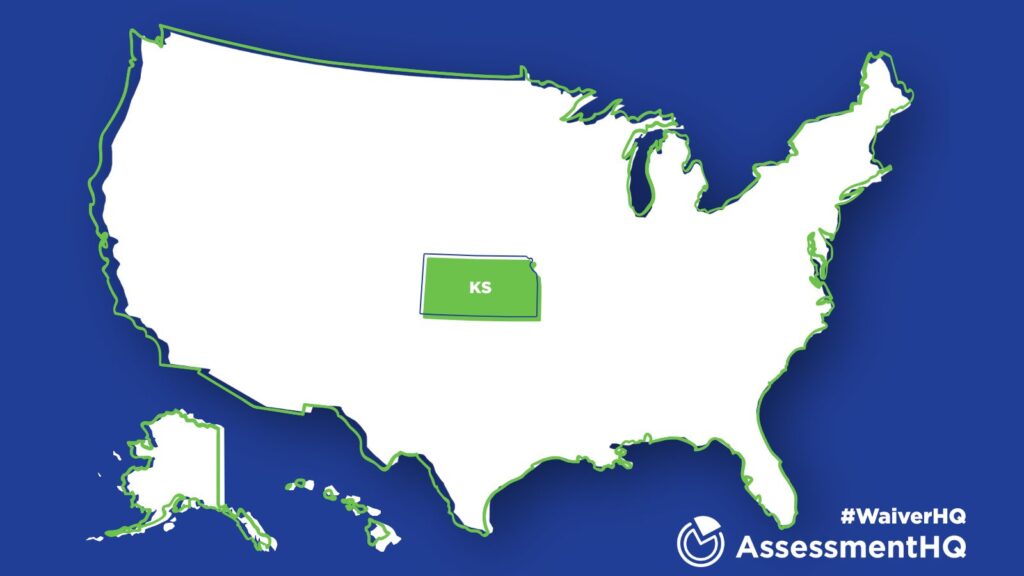
Kansas’s ESSA waiver requests broad, multi-year flexibility to pause school identification and exit timelines while the state integrates federal accountability into its accreditation system. Submitted in October, the request largely flew under the national radar, though it did garner some local coverage. Kansas will continue administering annual state assessments but is asking to delay when those results trigger consequences.
Separately—but importantly for context—Kansas recently lowered its assessment cut scores and circulated parent-facing materials that reframe what it means to be “proficient” (see Honesty Gap). The state argues that previously higher cut scores were too strict because many students labeled “not proficient” still went on to college or postsecondary training. The flaw in this reasoning is that postsecondary participation does not equate to mastery at the K-12 level.
Put simply, this is classic outcomes laundering: pointing to downstream participation to excuse upstream signals. Taken together, these moves raise questions as to whether Kansas’s stated goal of improving student outcomes can be taken entirely at face value, even as it frames the waiver as promoting coherence and stability.
What I Like
- Assessment continuity with caveats: Kansas will continue annual assessments, so students are still being measured regularly. But lowered cut scores mean the results now send different signals about proficiency.
- Hold harmless approach: While accountability timelines are paused, school improvement resources will remain in place, ensuring schools are not penalized as the state transitions its system.
Questions I Have
- Accountability pause: Does the combination of lower cut scores and the proposed multi-year pause on new ESSA identifications (i.e., delaying new CSI, TSI, and ATSI schools until 2028–29 and delaying exit of currently identified schools until 2027–28) compound effects that make underperformance less visible to families?
- Benchmarks: Given the aforementioned timeline, what concrete benchmarks will Kansas use to demonstrate that this pause is producing stronger—not weaker—signals?
- Urgency: If approved, how will the feds ensure that coherence does not become cover for reduced urgency, especially for schools that would otherwise newly qualify for supports?
Bottom Line
Kansas frames its request as a good-faith effort to promote coherence and stability, but the stability is largely procedural: while assessments continue, lowered cut scores and delayed accountability reshape the meaning and stakes of those results.
Against that backdrop, asking for a pause in accountability deserves close scrutiny. Kansas is not abandoning assessment and accountability, but it is clearly intent on reshaping the signals they send.
Do you agree with my take? Let me know and we may publish your thoughts in a future Waiver HQ post.