
The future(?) of state assessment (Part I): A conversation with NWEA’s Abby Javurek

By Dale Chu Abby Javurek is the Senior Director of Large Scale Assessment Solutions at Northwest Evaluation Association (NWEA), an education services organization probably best known for their computerized adaptive “MAP” tests. They recently announced the development of an adaptive, “through-year” assessment, a new solution that NWEA says eliminates the need for states to administer […]
Annual assessments, adult success, and amnesia

By Dale Chu Education Week just ran a piece by CALDER’s Dan Goldhaber and Umut Özek on the research linking standardized tests and success in later life. The upshot is that there’s vast research literature connecting test scores and later life outcomes, such as educational attainment, health, and earnings, but these links—as compelling as they […]
The testing two-step
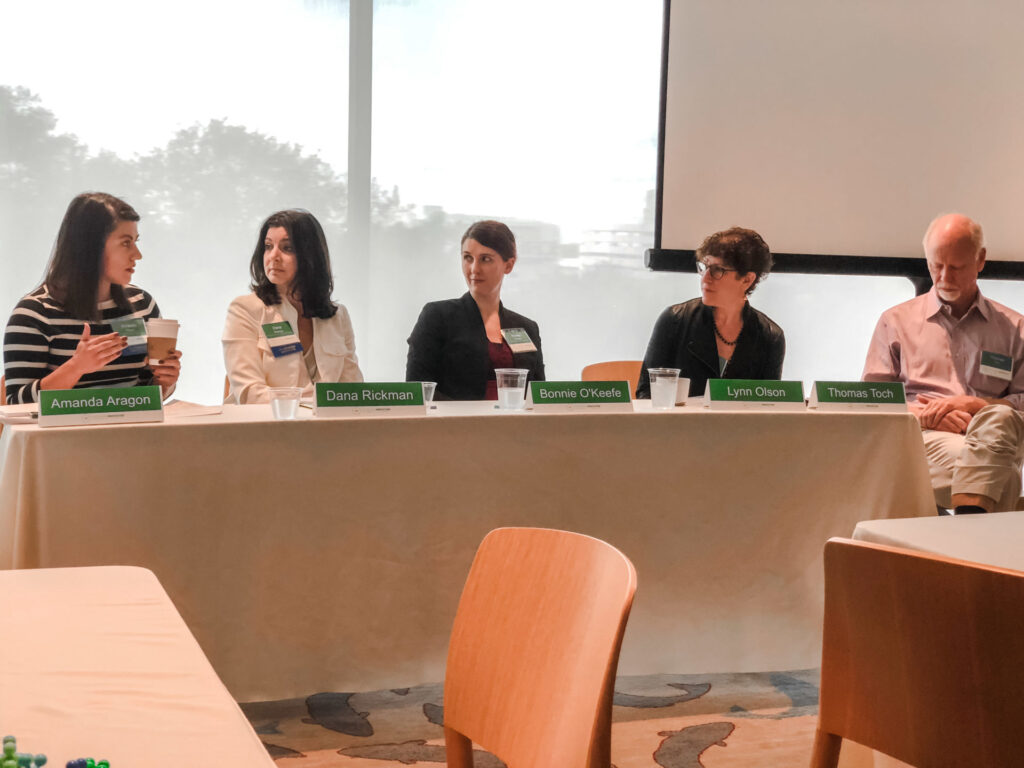
By Dale Chu Last Friday, I had the opportunity to sit in on a discussion regarding the strengths and weaknesses of today’s state testing systems. Held under the auspices of the PIE Network, the panel—thoughtfully moderated by Future Ed’s Tom Toch—paired two state-level reform advocates, New Mexico Kids CAN’s Amanda Aragon and Georgia Partnership for […]
Assessment shouldn’t be a bad word: A conversation with Amanda McAdams

By Dale Chu Amanda McAdams, a former practicing attorney and 2011 Arizona Teacher of the Year, is currently the Director of Elementary Education and K-12 Literacy for Lincoln County School District #2 in Star Valley, Wyoming. She is a big believer in the power of assessments and authored a blog post titled “State Assessment Data […]
Rather than blaming the test, let’s lift up Maryland’s students
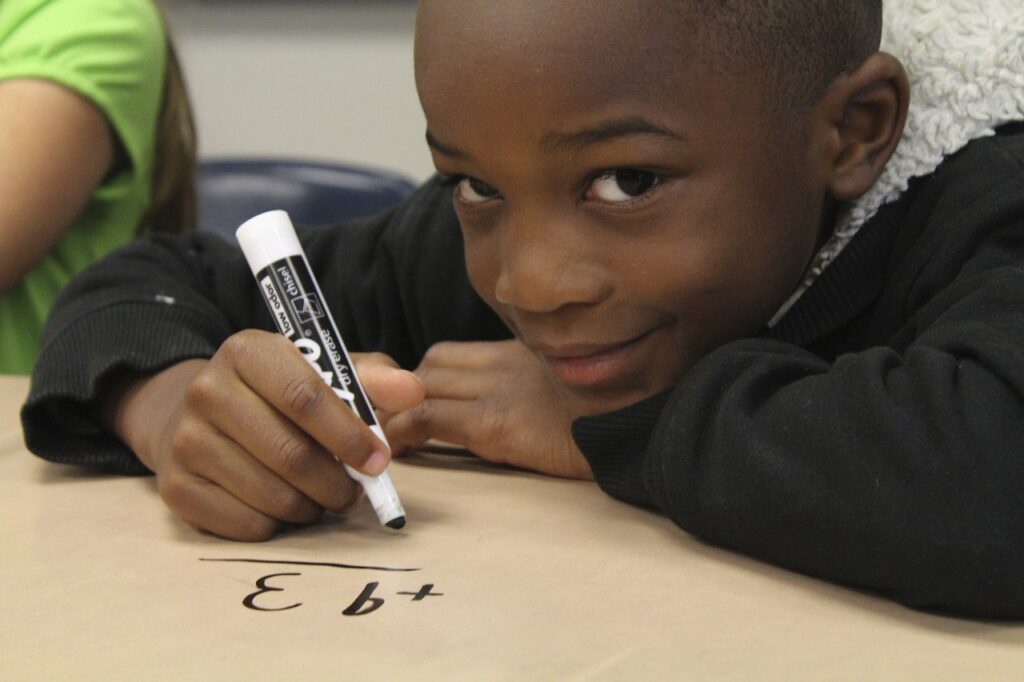
By Dale Chu A recent contention in the Baltimore Sun that Maryland’s standardized test is to blame for declining math scores doesn’t explain why math proficiency scores among Maryland students on both the NAEP and the ACT college readiness test are also falling. And it conveniently ignores several independent and governmental analyses, including two from […]
The new testing landscape: A conversation with FutureEd’s Lynn Olson

By Dale Chu Lynn Olson is an award-winning writer and editor, and a senior fellow at FutureEd, a think tank at Georgetown University’s McCourt School of Public Policy. They recently released a new report called The New Testing Landscape: State Assessments Under ESSA, which includes a scan of state testing systems across the country, a […]
Balanced assessment: Pipe dream or in the pipeline?

By Dale Chu In June, Forbes published an intriguing interview with two educators—Theresa Morris and Christa Krohn—on the evolution of education reform as it pertains to testing in the state of Ohio. Although the piece opens with some questionable assertions about the root causes of today’s K-12 shortcomings, the interview itself contains a few observations […]
The assessment roller coaster is far from amusing

By Dale Chu Yesterday, Indiana publicly released the results from its new state test and, as predicted, the numbers were sobering. Fewer than half of students passed. Notably, the results continued to show wide disparities across race and demographics: 43.3% of white students passed both the English Language Arts and mathematics exams compared to 24.2% […]
The lessons of assessment politics are often “ILEARNed” the hard way
By Dale Chu Tomorrow, the results from Indiana’s new state test—called “ILEARN”—will be released to the public at the Indiana State Board of Education’s monthly meeting. Wednesday’s release has been preceded by considerable hubbub because the scores are disappointingly low according to parents and school officials who already received their results last month. As a […]
The “adversity score” is no more
By Dale Chu Well that didn’t take long. Three months ago, the College Board announced with great fanfare its intent to assign an “adversity score” to gauge students’ social and economic hardships. Yesterday, the College Board changed its mind. In announcing the about face, College Board CEO David Coleman stated, “It was very important that […]